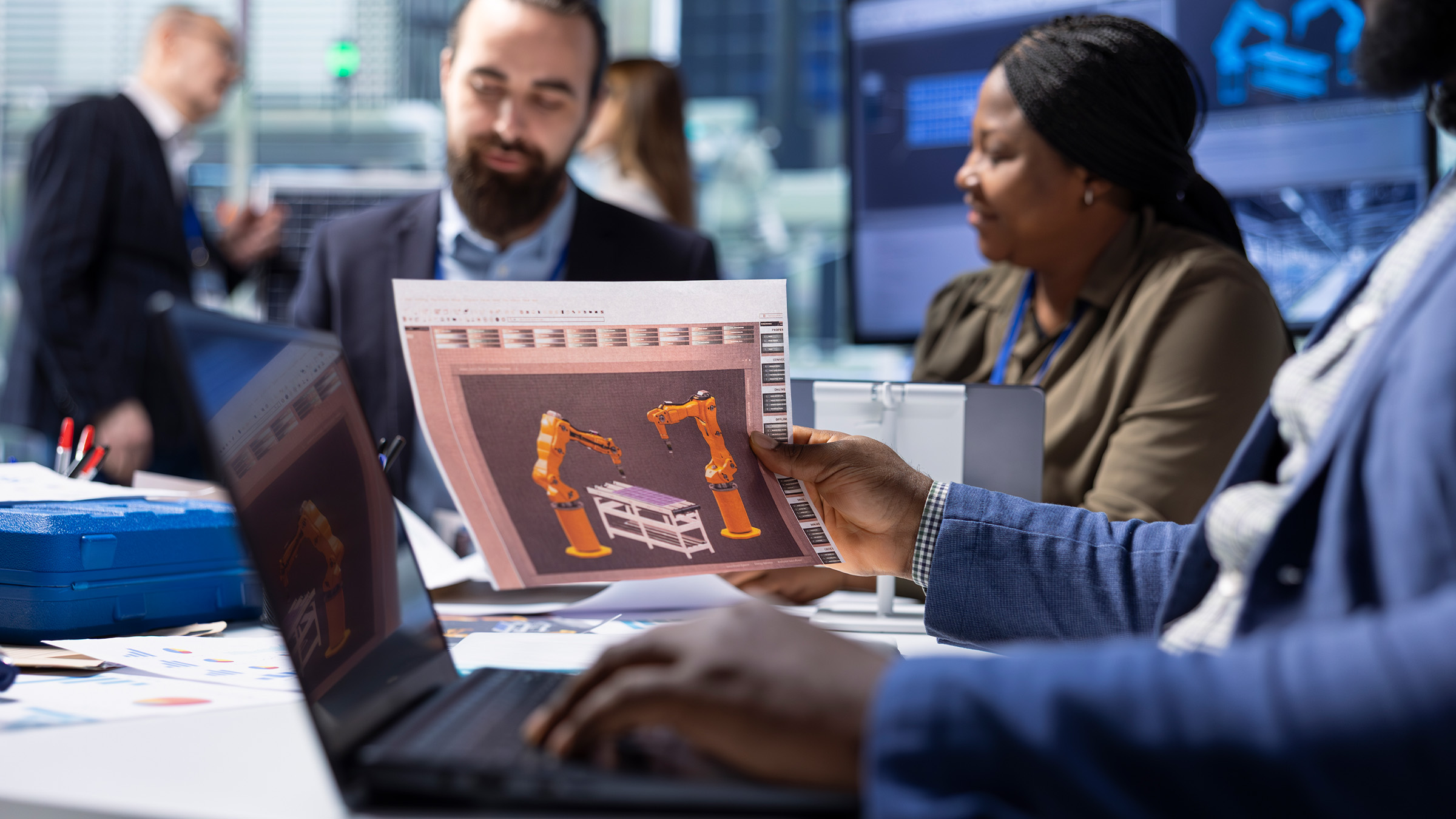
We understand that not all training needs are the same. That's why we offer adaptable learning models designed to fit different roles, experience levels, and operational demands. Whether it's a new operator learning basic machine control or an engineer mastering advanced troubleshooting, our simulation-based training environments provide safe, repeatable, and measurable practice. Built on accurate digital twins of real machines and processes, our training programs eliminate the risk of learning on live equipment while ensuring high engagement and knowledge retention. From self-guided modules to instructor-led drills, every path is structured to build confidence, improve response times, and reduce human error in real-world operations.
Why It Matters?
In industrial environments, mistakes made during operation can lead to downtime, safety risks, or product defects. Yet many companies still rely on on-the-job learning - where new hires learn by doing, often under pressure. Our training models change that by giving teams a risk-free environment to gain hands-on experience before they ever touch a real machine. This leads to faster ramp-up times, fewer errors, and stronger operational consistency across shifts. When every employee is trained the same way, performance becomes predictable — and excellence becomes standard.